


Best Removals for Elderly Moves Explained

A later-life move is rarely just about getting furniture from one address to another. It may involve leaving a long-term family home, reducing belongings, coordinating relatives, preparing a property for sale and settling into a smaller flat, retirement development or care setting. The best removals for elderly moves provide more than a lorry and a moving date. They bring a clear plan, careful handling and enough practical support to make the day manageable.
The right level of help depends on the move. Some customers simply need a reliable team to load and unload well-packed boxes. Others need full packing, furniture dismantling, storage, property clearance or white-glove placement of furniture in the new home. A good removals company will ask the right questions before quoting, rather than treating every move as the same.
What makes the best removals for elderly moves?
The first sign of a suitable removals team is a proper survey. This can be carried out at the property or, for straightforward smaller moves, by video call. The survey should identify how much is being moved, which items need special care, parking restrictions, stairs, lifts, narrow access and the distance from the front door to the vehicle.
For an elderly move, access matters as much as volume. A bungalow with a clear driveway may be simple even with a large amount of furniture. A smaller move from a third-floor flat with limited lift access may need more labour, more time and a carefully planned loading arrangement. Getting this right early prevents surprises on moving day.
Good communication is equally valuable. The customer or their family should know who is responsible for the booking, when the team will arrive, what has been included in the quote and what needs to be ready beforehand. Clear arrangements reduce the pressure of repeated phone calls and last-minute decisions.
Care is not just about wrapping a dining table. It is about working at a sensible pace, keeping walkways clear, listening to instructions and placing items where they are needed. For someone moving into a retirement property or care home, having the bed assembled, a favourite chair positioned and essential boxes easy to reach can make the first evening far more comfortable.
Start with the new property, not the old one
Families often begin by sorting a lifetime of possessions. That is understandable, but the most useful starting point is the new home. Measure the rooms, note built-in storage and check the rules for deliveries, lifts and parking. Retirement developments sometimes require booked delivery slots, specific move-in hours or proof of insurance from contractors.
Create a simple room plan before packing begins. It does not need to be technical. Mark where the main furniture will go and decide which items are definitely making the move. This avoids paying to transport large pieces that cannot fit through the new doorway or will overwhelm a smaller room.
It is also worth checking whether the new property supplies furniture, appliances or window coverings. A move can be delayed when a beloved wardrobe arrives only to find that it blocks the only practical route through the bedroom. A removals surveyor can flag likely access issues, but decisions about what stays and what goes are easier when measurements are available early.
Choose the level of support that is actually needed
A basic removals service is often enough where the household is already packed, the property is accessible and family members are on hand to organise the details. It is usually the most economical option, but it requires more preparation from the customer.
A packing service is a better fit when time, mobility or the emotional task of sorting makes self-packing difficult. Professional packers can prepare kitchenware, books, ornaments and pictures efficiently, using suitable materials and clearly labelled cartons. Packing can be completed the day before the move, leaving moving day focused on transport and placement.
Furniture dismantling and reassembly should be agreed in advance. Beds, wardrobes and dining tables can be awkward to move safely, especially in homes with tight stairs or narrow hallways. If a piece has unusual fittings, valuable finishes or assembly instructions, mention it at the survey stage.
Storage can take pressure out of a move when completion dates do not line up, a new home is being redecorated or the household needs time to decide what to keep. Containerised storage suits longer-term needs where items are collected and returned as a consignment. Single-item or more accessible storage may be useful where a few possessions need to remain available.
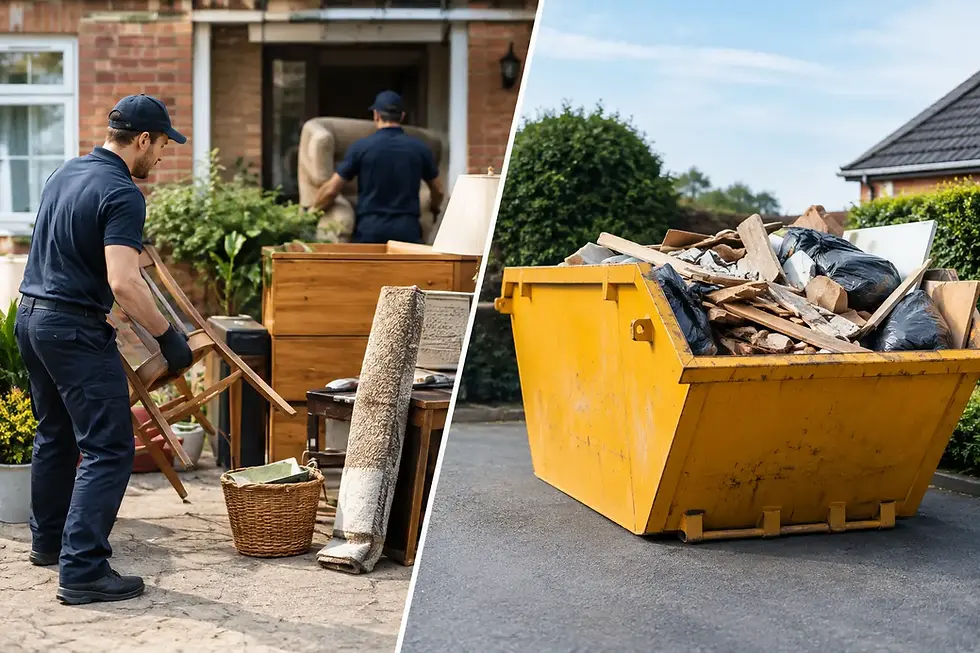
Property clearance is another service worth considering, but it should be handled thoughtfully. Not every unwanted item is rubbish. Family members may want photographs, paperwork, jewellery, heirlooms or sentimental possessions set aside. Agree what is being removed, donated, recycled or retained before clearance begins, and keep important documents separate from general sorting.
Questions to ask before booking
Price matters, but the cheapest quotation is not always the best value if it leaves key work outside the scope. Ask for a written breakdown that explains the service, labour, vehicle size, packing materials and any charges that may apply for access, waiting time or storage.
Before confirming a company, ask these practical questions:
Has the quote been based on a survey or a clear inventory of the items being moved?
Are packing, dismantling, reassembly and placement in the new property included where needed?
How will the team manage stairs, lift bookings, parking suspensions or long carries from the vehicle?
What cover is provided for goods in transit, and are there exclusions for valuables or owner-packed boxes?
Can the company coordinate storage or clearance if dates change or plans need to be adjusted?
A reliable firm will answer directly. If the scope changes after the survey, for example because more furniture is added or a completion date moves, ask for the revised arrangement in writing. This protects everyone and keeps expectations realistic.
Plan the practical details that reduce stress
The most helpful move plans are simple. Keep medication, glasses, hearing aids, keys, important papers, phone chargers and a change of clothes in one clearly marked essentials bag that stays with the customer or a trusted relative. Do not put these items into the removals vehicle unless there is no alternative.
Pack an open-first box for the new home with tea, mugs, toiletries, towels, bedding, basic cleaning supplies and easy food. Label it clearly and ask the crew to place it in the kitchen or bedroom where it will be found straight away. A carton marked only “miscellaneous” is rarely useful at the end of a long day.
If relatives are helping, appoint one person as the main contact for the removals team. Too many instructions from different people can slow the work and cause confusion. The main contact should have the new address, site contact details, access arrangements and a copy of the room plan.
It may be sensible for the person moving to spend part of the loading period elsewhere, particularly if the property will be busy or upsetting to watch being emptied. A relative, neighbour or friend can stay with them, while the agreed contact handles questions from the removals crew. There is no single right approach. Some people want to supervise every stage; others prefer to arrive once their key furniture is in place.
When white-glove handling is worth considering
Not every elderly move requires a premium service, but some items justify specialist attention. Antiques, polished furniture, large mirrors, artwork, adjustable beds and high-value pieces need suitable protection, lifting equipment and trained handling. If furniture is being delivered into a retirement flat, it may also need careful placement to avoid damage to communal areas and lift interiors.
White-glove delivery can include protective wrapping, room-of-choice delivery, furniture assembly and removal of used packing materials. It is particularly useful where family members cannot manage heavy lifting, or where the new home needs to feel settled quickly. The trade-off is cost, so it makes most sense when the level of care and installation genuinely saves time, avoids risk or removes a physical burden.
For moves in Kingston upon Thames, Surrey and South West London, OWN Removals & Storage can combine household removals with packing, storage, clearance and careful furniture placement where the job calls for it. The useful question is not whether a move is large or small, but which parts need professional support.
Give the first day in the new home proper attention
A move is only successful when the person can comfortably live in the new space. Ask the team to put beds together first where possible, then position the main seating, essential kitchen items and any mobility equipment. Keep boxes away from routes to the bathroom, kitchen and exits.
Before the team leaves, walk through the property and check that furniture is in the intended rooms, appliances are accessible and nothing has been left in the vehicle. Take a moment to make a hot drink, open the curtains and put familiar photographs or cushions in place. Those small details can make an unfamiliar room feel like home much sooner.


Comments